OCR reads the source
The OCR provider estimates the visible characters and their order from the image.
See the target languages available in the image translator, how OCR source recognition differs from translation, and where mixed scripts need extra review.
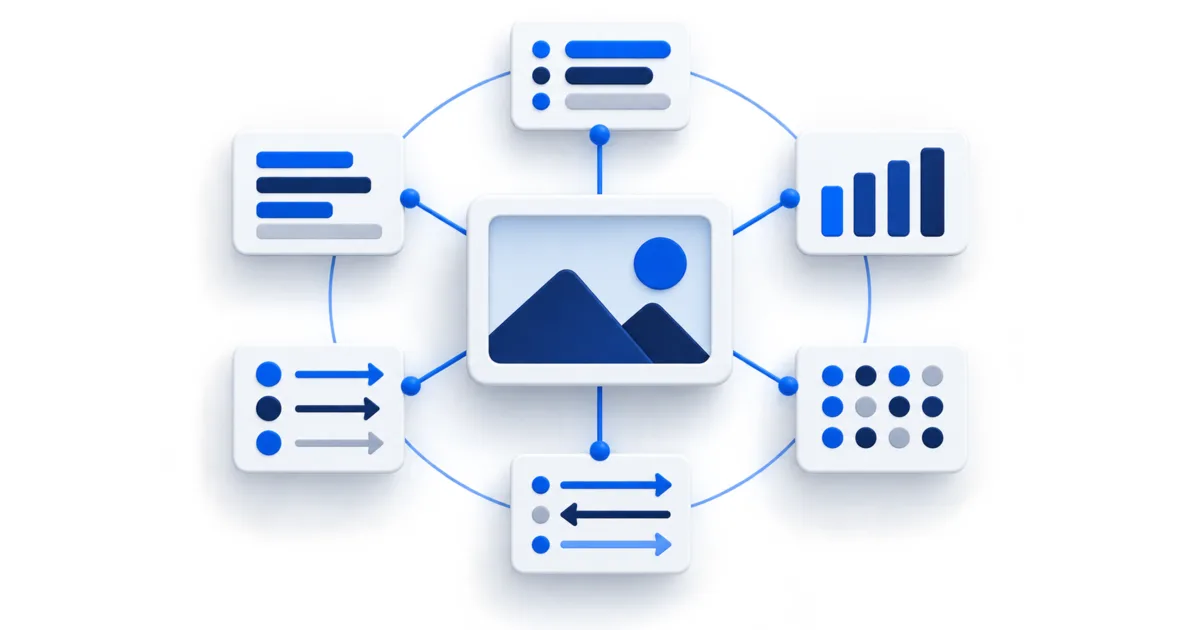
The translator offers 38 target-language choices. Source-text recognition is a separate OCR step, so a listed target does not guarantee that every photo, script, or layout will be read correctly.
The OCR provider estimates the visible characters and their order from the image.
A full sentence gives stronger evidence than a name, code, or one-word button.
The selected target tells the translation stage which language to produce.
For a short or mixed-language source, review whether the photo translator can identify the source language before trusting the result.
When a short public notice needs location and symbol context, follow the workflow to translate a sign from a photo.
The groups below make the list easier to scan. They do not rank quality or claim that every language uses only one script.
Common European and Southeast Asian target languages that mainly use the Latin alphabet.
Languages offered here that commonly use Cyrillic, while some may also use another script.
These languages need right-to-left text handling even when numbers or Latin terms appear inside a line.
These options use distinct scripts and need clear marks above, below, or around the main character shapes.
Character context, writing direction, names, and mixed Latin labels need careful review.
Greek and Thai each use a distinct script that must remain clear at the OCR stage.
| Situation | Main risk | Best next step |
|---|---|---|
| Arabic, Hebrew, Persian, or Urdu | Mixed right-to-left text, numbers, and Latin names can change reading order. | Use the guide to translate Arabic and Hebrew images. |
| Chinese, Japanese, or Korean | Names, readings, and vertical regions may need separate treatment. | Follow the CJK image translation workflow. |
| Names, addresses, dishes, or brands | A useful identifier may be translated when it should keep its sound or official spelling. | Compare transliteration with translation. |
| Several scripts in one image | OCR may join regions in the wrong order or assign one language to the whole page. | Separate regions with the mixed-script workflow. |
When the source is clear and the target is selected, open the AI image translator and keep the extracted text beside the translated result.